
If you have been putting off that landscaping project all summer, here is some good news , you have not missed your window. In fact, autumn is arguably the best time of year to redesign your landscape in Massachusetts. Whether you are a homeowner in Wilmington, a property manager in Greater Boston, or a business owner looking to boost curb appeal, fall gives you a unique seasonal advantage that spring and summer simply cannot match.
From cooler temperatures and ideal planting conditions to reduced contractor wait times and better soil recovery, the reasons to schedule your fall landscape renovation are both practical and compelling. In this guide, we break down everything you need to know about tackling a landscape redesign in the fall across Massachusetts.
Why Fall Landscaping in Massachusetts Makes Perfect Sense
Massachusetts has a classic New England climate , hot, humid summers and cold, snowy winters. That narrow shoulder season between August and November is a golden window for landscaping work, and many experienced landscape professionals consider it the most productive time of year.
Cooler Temperatures Mean Less Stress on Plants
When new plants are installed in the heat of summer, they have to work overtime just to survive. The hot sun, dry spells, and intense heat put enormous stress on root systems trying to establish themselves. Fall in Massachusetts brings cooler daytime temperatures, more rainfall, and shorter days , all of which create a much gentler environment for newly planted trees, shrubs, perennials, and sod to take root.
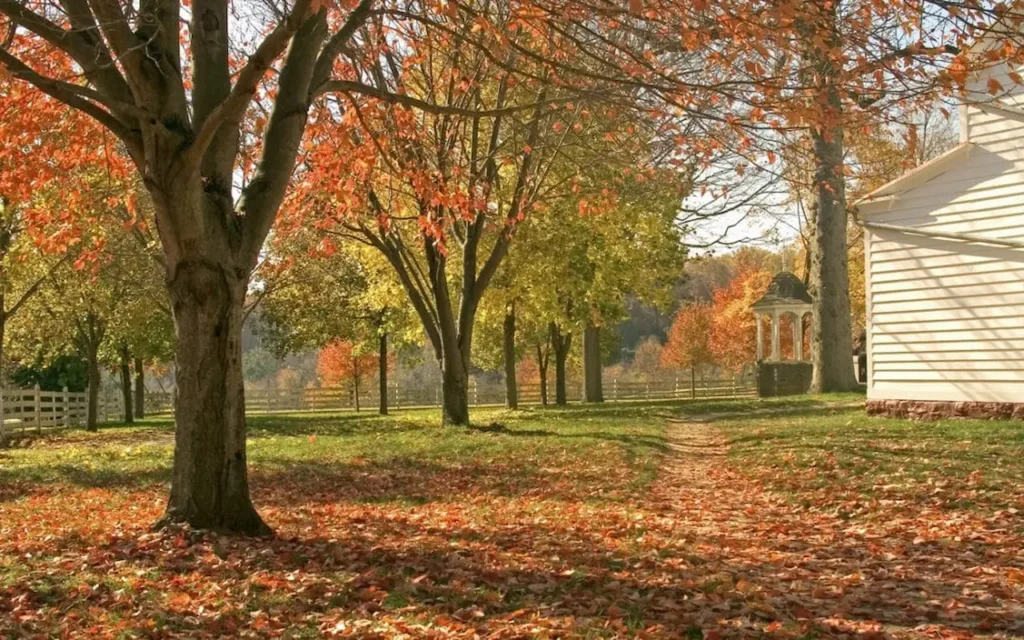
Plants installed in September and October have weeks of mild weather ahead of them before the ground freezes. During that time, root systems quietly spread and anchor themselves without the energy demand of producing leaves or flowers. By the time spring arrives, those plants are already established and ready to thrive.
The Soil Is Still Warm and Workable
H3: The Soil Is Still Warm and Workable
One common misconception is that fall soil is too cold for planting. The reality is that soil retains heat much longer than air temperature suggests. Even in late October, Massachusetts soil temperatures are often still warm enough for root growth and microbial activity. This warm soil combined with cool air is actually the ideal combination for landscape installation and planting.
For hardscape projects like paver patios, retaining walls, walkways, and excavation work, fall is also an excellent time. The ground is firm, not frozen, and dry enough in most years to support heavy equipment without excessive damage to your lawn.
Fall Rains Reduce Your Irrigation Needs
One of the hidden costs of spring and summer landscaping is watering. New installations need consistent moisture to establish, and during dry Massachusetts summers, that often means running irrigation systems daily or hauling hoses around the yard. Fall naturally brings more consistent rainfall across the region, which means your new plantings get the moisture they need with far less effort and expense on your part.
This is especially valuable for large-scale residential landscape redesigns and commercial property upgrades where watering costs and labor can add up quickly.
Best Landscaping Projects to Do in Massachusetts This Fall
Not all landscaping projects are created equal when it comes to seasonal timing. Here are the types of work that make the most sense to schedule in the fall months.
Hardscape Installation , Patios, Walkways, and Retaining Walls
Fall is prime time for hardscape projects in Greater Boston and surrounding communities. Paver installations, custom patios, outdoor fire pits, retaining walls, and stone walkways are all best done when the ground is dry and temperatures are moderate. Contractors can work efficiently without the extreme heat of summer, and the finished surfaces have time to settle before winter traffic begins.
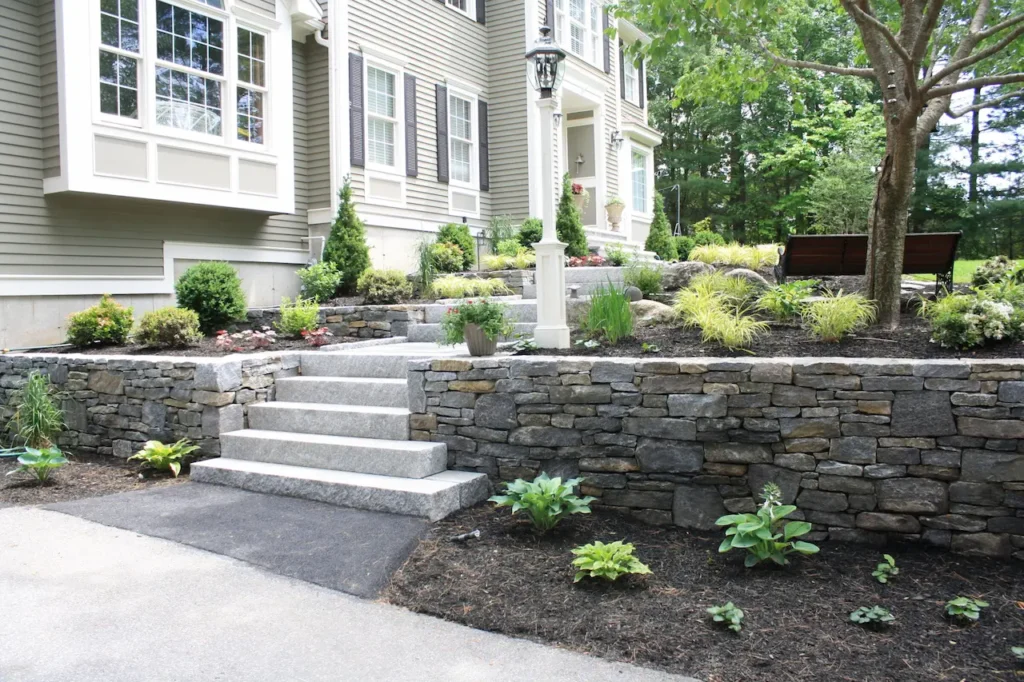
If you have been dreaming of a custom patio or a new front walkway, reaching out for a fall estimate is a smart move. Many landscaping companies complete their best hardscape work between September and November.
Tree and Shrub Planting
Deciduous trees and shrubs actually prefer fall planting over spring in many parts of New England. When planted in fall, these plants are entering dormancy, which means they divert energy toward root development rather than top growth. This gives them a significant head start come spring. Native Massachusetts species like red maples, flowering dogwoods, arrowwood viburnum, and inkberry holly are all excellent candidates for fall installation.
Lawn Renovation and Overseeding
If your lawn struggled through the summer , thin patches, brown areas, heavy weed pressure , fall is the time to address it. Overseeding in late August through October gives cool-season grasses like tall fescue, Kentucky bluegrass, and perennial ryegrass ideal germination conditions. Soil temperatures are still warm enough for seed sprouting while cooler air keeps the young seedlings from burning up.
For more significant lawn renovations , core aeration, dethatching, grading, or full sod installation , fall is the season most Massachusetts lawn care professionals recommend.
Landscape Design and Grading Work
If your yard has drainage issues, low spots that collect water, or slopes that erode during heavy rain, fall is an ideal time to correct those problems. Excavation and site grading work goes smoothly in the fall when soil conditions are just right , not too wet, not frozen. Addressing drainage before winter prevents ice buildup and frost heaving from making small problems significantly worse.
Planting Perennials and Ornamental Grasses
Fall is the perfect time to divide and transplant existing perennials or install new ones. Hardy perennials, ornamental grasses, and ground covers planted in the fall will overwinter successfully in most Massachusetts zones and emerge stronger in spring. This is a great way to fill in gaps in an existing landscape bed or completely redesign your planting scheme at a lower cost than spring buying season.
Fall Landscaping Benefits for Commercial Properties in Massachusetts
The advantages of fall landscaping are not limited to homeowners. Property managers, business owners, and facilities directors throughout Greater Boston should also consider scheduling major landscape improvements before winter arrives.
Improve Curb Appeal Before the Holiday Season
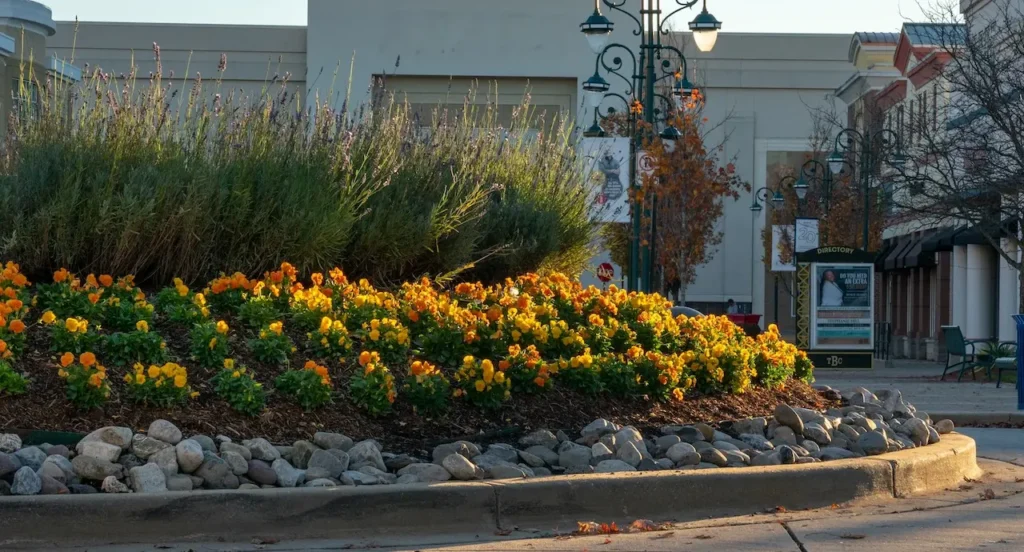
The period from October through December brings increased foot and vehicle traffic to many commercial properties , retail centers, office parks, medical facilities, and restaurants. A refreshed landscape with seasonal plantings, well-maintained turf, and clean hardscape makes an immediate positive impression on customers, tenants, and visitors.
Address Safety Hazards Before Snow Season
Cracked or uneven walkways, poor drainage near building entrances, and overgrown plantings near parking lots are all safety concerns that worsen in winter. Fall is the right time to repair or replace problem hardscape areas, improve lighting, and clear vegetation that could become hazardous when ice and snow arrive.
Prepare Your Irrigation System Properly
Commercial properties with irrigation systems need to winterize those systems before the first hard freeze. Fall is also a great time to assess whether your current irrigation setup is performing efficiently or whether upgrades like drip zones, smart controllers, or expanded coverage areas would benefit your property heading into next year.
Cost Advantages of Fall Landscape Redesigns
Beyond the horticultural benefits, fall often brings practical financial advantages for homeowners and commercial clients alike.
Nursery Stock Is Often Discounted
Garden centers and nurseries across Massachusetts typically reduce prices on remaining stock in September and October. Trees, shrubs, and perennials that would have cost full price in May are often available at significant discounts. An experienced landscaping company can help you take advantage of these end-of-season deals while still selecting high-quality plant material.
Shorter Lead Times for Reputable Contractors
Spring is the busiest season for landscaping companies in Greater Boston, and booking windows can stretch weeks or months out. Fall typically brings shorter wait times, which means you can get your project started sooner and have it completed before the ground freezes. If you have been trying to get a major hardscape or design-build project scheduled, calling a landscaping company in September or October is one of the best ways to get on the calendar quickly.
What to Expect From a Fall Landscape Redesign in Massachusetts
If you are new to working with a professional landscaping team, here is a general overview of what the fall redesign process looks like.
Initial Consultation and Site Assessment
A good landscaping company will begin with a thorough walkthrough of your property. They will evaluate existing plants, soil conditions, drainage patterns, hardscape surfaces, and your aesthetic goals. This assessment forms the foundation of your customized landscape plan.
Design and Material Selection
Once the assessment is complete, your landscaping team will put together a design plan that covers plant selection, layout, hardscape materials, grading recommendations, and phasing if the project is large. They will factor in your budget, maintenance preferences, and the specific microclimates of your yard or property.
Installation and Site Cleanup
Fall landscape installations move efficiently when weather cooperates. Your crew will complete grading, hardscape construction, planting, and final cleanup before winter sets in. A reputable Greater Boston landscaping company will also provide guidance on winterization steps to protect your new investment through the cold months.
Tips for Preparing Your Massachusetts Yard for a Fall Landscape Redesign
Before your landscaping team arrives, there are a few things you can do to make the project run more smoothly.
Clear Out Summer Annuals and Spent Vegetation
Remove summer annuals, pull dead plants, and cut back overgrown perennials. This gives your landscaping crew a clean palette to work with and reduces the time spent on initial cleanup.
Note Problem Areas and Take Photos
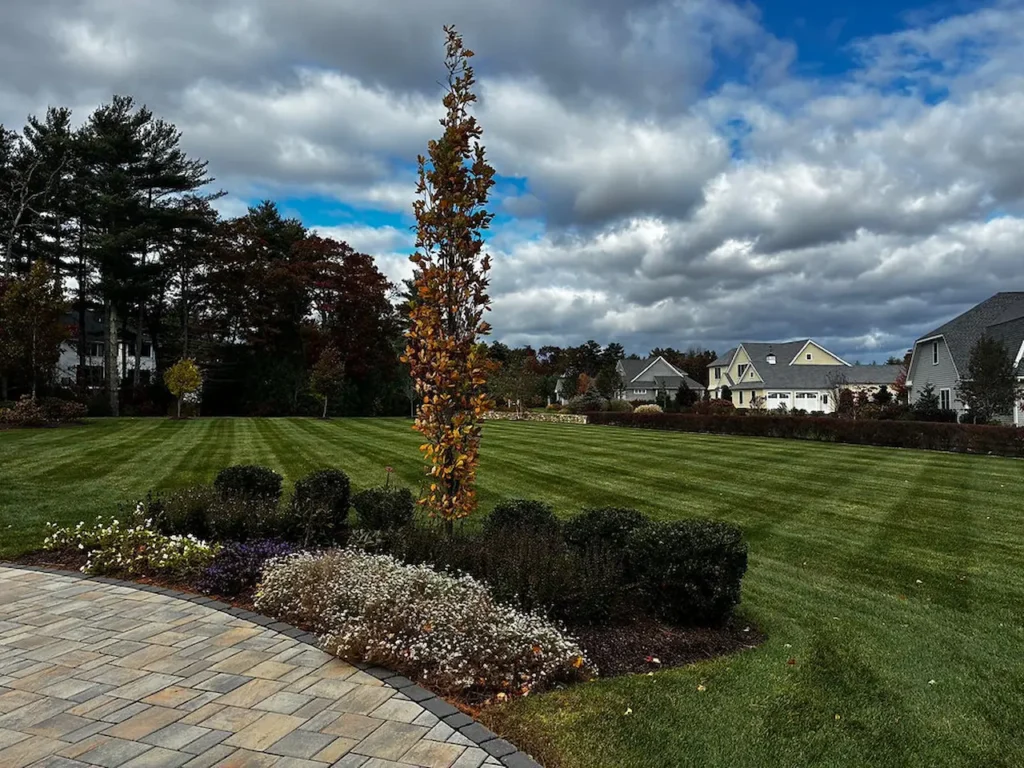
Walk your yard and document any drainage issues, bare spots, areas with persistent weed pressure, or hardscape sections that have settled or cracked. Photos and notes help your landscaping team understand the full scope of work needed.
Think About Winter Use
As you plan your fall redesign, consider how you use the outdoor space in winter. If you need clear snow removal paths, safe access to entrances, or lighting for dark early mornings, communicate those needs upfront so they can be incorporated into the landscape plan.
Conclusion
Fall is not the end of landscaping season in Massachusetts , it is one of the best times to start a new chapter for your outdoor space. With cooler temperatures, ideal soil conditions, lower plant stress, and often faster project scheduling, autumn gives homeowners and commercial property owners a real advantage when tackling a landscape redesign.
Whether you are looking to install a custom patio, overhaul your planting beds, fix drainage problems, or completely transform your front yard, the fall window in Greater Boston is shorter than you think. Now is the time to reach out to a trusted local landscaping company, get your free estimate, and make the most of the season before the ground freezes.
Giroux Brothers serves residential and commercial clients throughout Greater Boston and surrounding Massachusetts communities. Contact us today to schedule your fall landscape consultation.
Frequently Asked Questions About Fall Landscaping in Massachusetts
Is fall really a good time to plant trees and shrubs in Massachusetts?
Yes, fall is actually one of the best times to plant most trees and shrubs in Massachusetts. Cooler air temperatures reduce stress on new plants, while warm soil temperatures encourage root establishment before winter. Many landscaping professionals prefer fall planting for deciduous trees and native shrubs.
What is the latest date I can do landscaping work in Massachusetts?
In most parts of Greater Boston and eastern Massachusetts, outdoor landscaping work including planting, grading, and hardscape installation can continue through late October and sometimes into early November, depending on weather. The key factor is whether the ground is still workable and above freezing.
Can I install a patio or hardscape in the fall?
Absolutely. Fall is actually an excellent season for paver installations, retaining walls, and other hardscape projects. Dry, cooler conditions are easier for crews to work in, and the finished surfaces have time to settle before winter freeze-thaw cycles begin.
Should I overseed my lawn in the fall or wait until spring?
Fall overseeding is strongly preferred over spring for cool-season lawns in Massachusetts. Grass seed germinates well in warm fall soil, and the cooler air keeps young seedlings healthy. Spring seeding often struggles with competing weeds and summer heat stress.
How do I get started with a fall landscape redesign?
The first step is to contact a local landscaping company for a free consultation and estimate. Be prepared to discuss your goals, budget, and timeline. Fall booking windows fill up quickly at reputable companies, so reaching out in August or September gives you the best chance of getting on the schedule before winter.
Does fall landscaping work survive the Massachusetts winter?
When done properly with the right plant selection and installation techniques, fall landscaping holds up very well through New England winters. Proper mulching, correct planting depth, and selecting cold-hardy plant varieties are key factors that a professional landscaping team will handle for you.
Is fall landscaping more affordable than spring?
It can be. Nursery stock is often discounted in fall, and contractor availability tends to be better, which can mean faster scheduling and sometimes more competitive pricing. It is worth getting quotes in September and October to compare.