
Planning a custom landscape design for a New England home is one of the most rewarding investments a homeowner can make. The region’s distinct four seasons, variable weather patterns, and unique soil conditions create both exciting opportunities and real challenges for outdoor spaces. Whether you are starting from scratch on a new property or refreshing an existing yard, a thoughtful residential landscape plan ensures your outdoor space looks beautiful year round and holds up against harsh winters and humid summers.
At Giroux Brothers, a full service landscaping and hardscaping company serving Greater Boston and surrounding communities, we have helped hundreds of homeowners transform ordinary yards into stunning, functional outdoor environments. This guide walks you through every important step of planning a custom yard design for your New England property.
Understand Your Property Before You Design Anything
The foundation of any successful custom outdoor design starts with a thorough understanding of the property itself. In New England, soil composition varies significantly from town to town. Many Greater Boston area properties sit on heavy clay or rocky glacial soil, which affects drainage, root development, and the types of plants and lawn installations that will thrive.
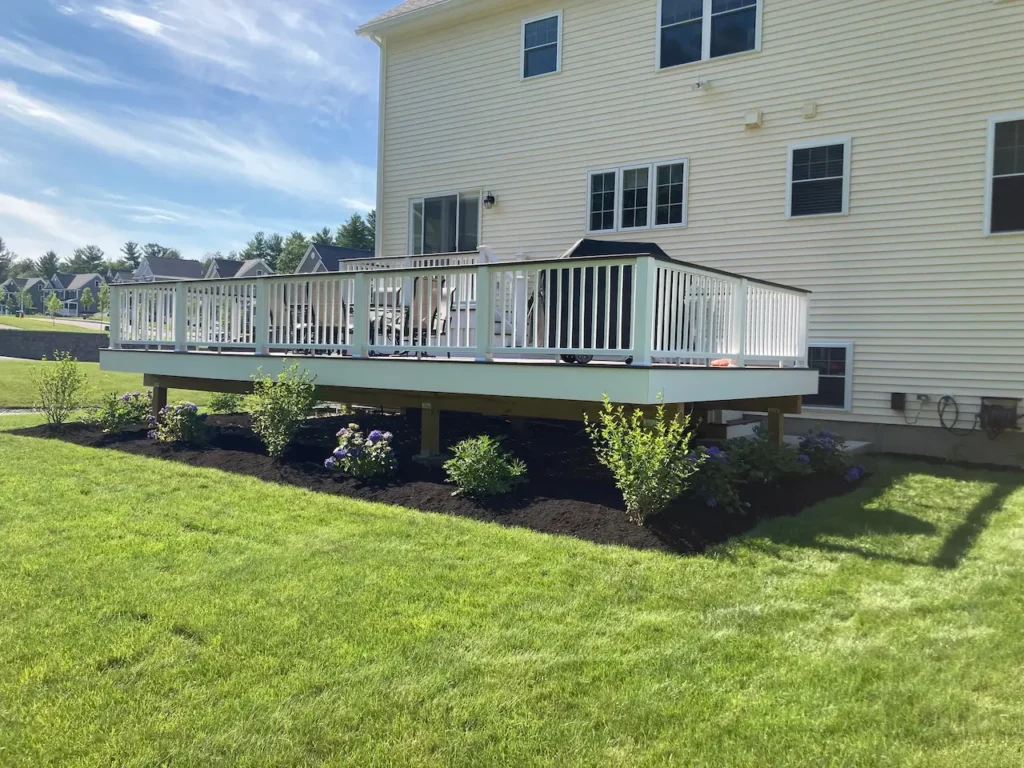
Before meeting with a landscape designer, take note of the following:
Sun and shade patterns throughout the day and across seasons. A spot that receives full sun in July may be shaded in April once nearby trees leaf out. This directly influences plant selection for your New England garden design.
Existing grading and drainage. Poor drainage is one of the most common issues in Massachusetts landscapes. Low spots where water collects can damage foundations, kill plant material, and create safety hazards. Grading and excavation work may be needed before any planting or hardscape installation begins.
Existing structures and utilities. Knowing the location of underground utilities, septic systems, and existing hardscape features like driveways and walkways is essential before any excavation or site work begins.
Understanding these site conditions gives your landscape contractor the information needed to create a custom yard plan that actually works for your specific property.
Set Clear Goals for Your Outdoor Space
A great residential landscape design begins with knowing what you want your outdoor space to do. New England homeowners typically have a combination of goals, and being clear about your priorities helps a landscape design company like Giroux Brothers develop the right plan for your home.
Common goals for custom home landscape planning include:
Curb appeal and first impressions. A beautifully designed front yard with professional plantings, a paver walkway, and well defined garden beds immediately elevates the appearance of any home.
Outdoor entertaining and living. Many Greater Boston homeowners want a backyard that functions as an extension of their living space. Custom patios, fire pits, outdoor kitchens, and retaining walls are popular hardscaping options that create usable, comfortable outdoor rooms.
Low maintenance landscaping. If you prefer beauty without constant upkeep, a landscape professional can recommend native plants for New England gardens, drought tolerant shrubs, and mulched garden beds that reduce ongoing maintenance demands.
Privacy and screening. Strategic plantings of evergreens, ornamental grasses, and privacy hedges can block views from neighbors and roadways, creating a peaceful and secluded yard environment.
Choose the Right Plants for the New England Climate
Plant selection is one of the most critical decisions in any custom landscape design. New England’s USDA hardiness zones range from Zone 4 in northern areas to Zone 7 in coastal southern regions. Greater Boston typically falls in Zones 5b to 6b, meaning plants must be able to survive cold winters while also tolerating the humid summer heat.
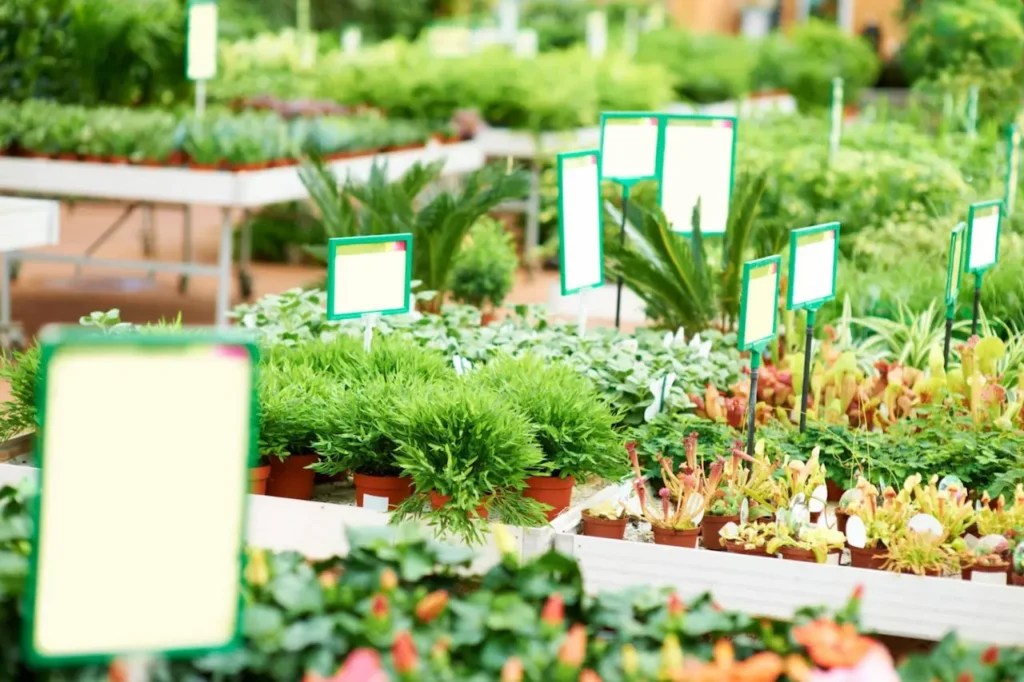
Working with a professional landscape designer ensures your planting plan includes species that are well suited to the local climate. Some excellent options for New England residential landscaping include:
Flowering trees and ornamental shrubs such as crabapples, serviceberry, and native viburnums offer multi season interest with spring blooms, summer foliage, and fall color.
Native perennials like black eyed Susan, coneflower, and asters are naturally adapted to New England conditions, require less water once established, and support local pollinators.
Evergreen foundation plantings including arborvitae, inkberry, and rhododendron provide year round structure and greenery even during the long New England winter months.
Ground covers and ornamental grasses help suppress weeds, prevent soil erosion, and add texture and movement to the landscape with minimal care.
When developing your planting design for a Massachusetts home, always consider mature plant size, seasonal interest, and how each plant will interact with nearby structures, utilities, and other plantings over time.
Incorporate Hardscape Features That Complement the Landscape
Hardscaping is an essential component of any complete custom outdoor design. In New England, where freeze thaw cycles can be severe, the quality of hardscape installation matters enormously. Improperly installed patios, walkways, and retaining walls are prone to heaving, cracking, and shifting when soil freezes and expands.
Giroux Brothers specializes in hardscape and softscape installation, including paver patios, retaining walls, fire pits, steps, and custom walkways. Some of the most popular hardscaping services for New England homes include:
Natural stone and paver walkways. A well designed front entry walkway dramatically improves curb appeal and provides a safe, attractive path from the driveway or street to the front door.
Custom patios and outdoor living areas. Whether you prefer natural bluestone, concrete pavers, or tumbled granite, a professionally installed patio creates a lasting outdoor gathering space for families and guests.
Retaining walls. Many Greater Boston area properties have sloped terrain that requires retaining walls for both aesthetics and erosion control. Properly engineered walls prevent soil movement and create level planting beds or lawn areas.
Fire pits and outdoor fireplaces. A custom fire feature extends the usability of your outdoor space deep into the New England fall and early spring, creating a warm and inviting atmosphere for entertaining.
When planning hardscape elements for your residential landscape, always work with an experienced landscape construction company that understands local frost depth requirements and proper base preparation techniques.
Plan for Seasonal Changes and Year Round Interest
One of the most important considerations in custom landscape planning for New England is designing for four distinct seasons. A yard that looks spectacular in July but is barren and dull in March represents an incomplete design. A skilled residential landscape designer will create a plan that offers something visually interesting and functional throughout the entire year.
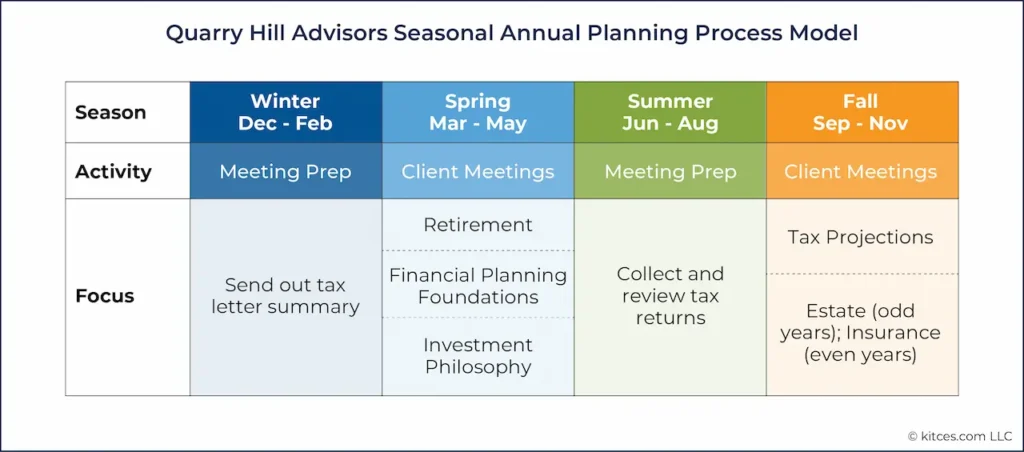
Spring is the time for flowering bulbs, early perennials, and ornamental trees. Planting a combination of daffodils, tulips, and early blooming shrubs ensures color begins appearing as soon as the snow melts.
Summer brings lush perennial borders, annuals in containers, and the full expression of your lawn and garden. This is also the ideal season to enjoy outdoor living spaces like patios and fire pit areas.
Fall in New England is arguably the most stunning season, and a thoughtfully designed landscape capitalizes on it. Ornamental trees with vibrant fall foliage, berry producing shrubs, and late blooming perennials extend the beauty of the yard well into October and November.
Winter landscape interest can be achieved through evergreen plantings, ornamental grasses that hold their structure through snow, decorative lighting, and well designed hardscape elements that look attractive even under a blanket of snow.
Consider Landscape Lighting and Irrigation for Long Term Success
Two elements that are often overlooked in the initial landscape planning stages are irrigation systems and outdoor lighting. Both play a critical role in the long term health and beauty of your landscape investment.
Irrigation systems ensure that new plantings and lawns receive adequate water during dry summer periods without the burden of manual watering. A properly designed irrigation system, installed during the landscape construction phase, saves time, reduces water waste, and promotes healthier plant growth across all areas of the yard.
Landscape lighting extends the beauty and usability of your outdoor space into the evening hours. Pathway lighting improves safety, accent lighting highlights architectural and plant features, and ambient lighting creates a welcoming atmosphere for outdoor entertaining. Giroux Brothers offers irrigation and landscape lighting services designed to complement and protect your overall landscape investment.
Work With a Local Greater Boston Landscape Design Company
Hiring a local landscape professional who understands the specific conditions of Greater Boston and surrounding New England communities is one of the smartest decisions you can make when planning a custom outdoor design. Local companies understand the regional climate, soil types, plant hardiness requirements, and construction standards that apply to your specific area.
Giroux Brothers has extensive experience providing custom residential landscaping services throughout Greater Boston, including Wilmington, Reading, Woburn, Burlington, Andover, and neighboring towns. Their full service approach covers everything from initial landscape design consultation through installation and ongoing maintenance, ensuring your outdoor space is beautiful, functional, and built to last through New England’s demanding seasons.
How to Get Started on Your Custom Landscape Design
If you are ready to begin planning your custom yard design for your New England home, the first step is scheduling a free estimate with a qualified landscape contractor. During the initial consultation, a professional will assess your property, discuss your goals and budget, and begin developing a personalized landscape plan tailored to your specific needs.
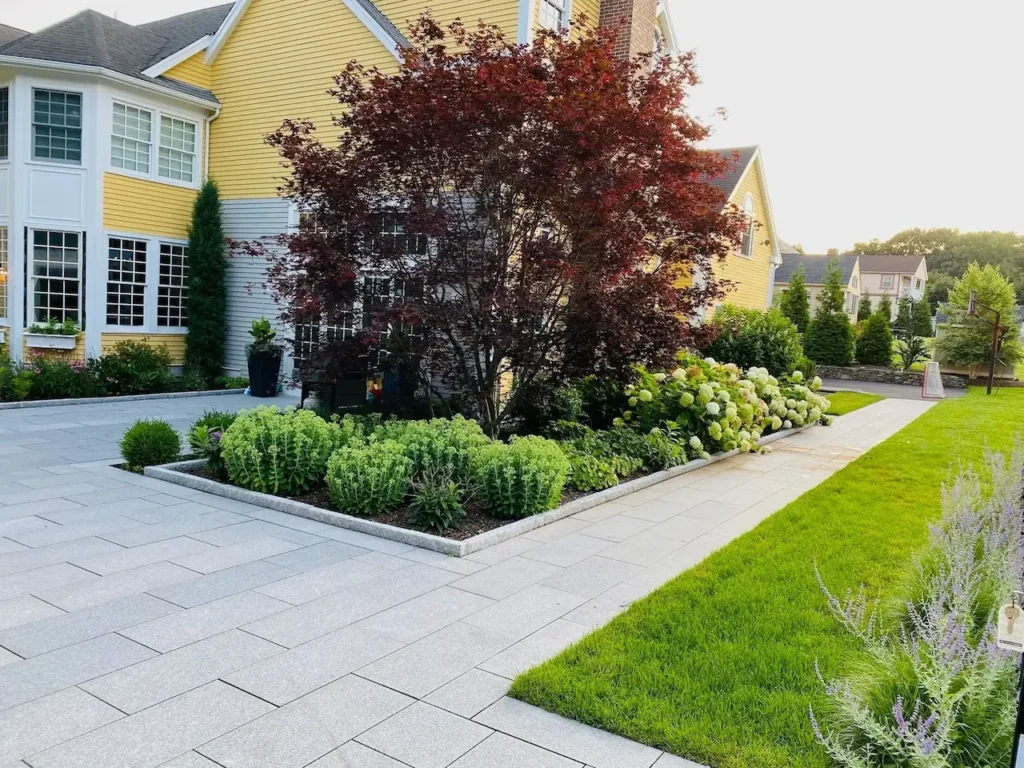
Here is a simple checklist to prepare for your first landscape design consultation:
Take photos of your current yard from multiple angles including the front, back, and sides. Note areas of concern such as drainage issues, bare or struggling lawn areas, or existing plants you want to keep or remove. Think about your must have features such as a patio, garden beds, or lawn area. Set a realistic budget range so your designer can prioritize the most impactful improvements. Bring any site surveys or property maps if available, as these help with accurate planning and grading assessments.
Conclusion
Planning a custom landscape design for a New England home is a process that rewards careful thought, professional expertise, and respect for the unique characteristics of the region. From plant selection suited to Greater Boston’s climate to properly installed hardscape features that withstand freeze thaw cycles, every decision contributes to an outdoor space that is both beautiful and built to last.
Giroux Brothers is a trusted name in residential landscaping and hardscaping across the Greater Boston area. Whether you are looking for a complete yard transformation or targeted improvements to your existing outdoor space, their experienced team is ready to help you bring your vision to life.
Contact Giroux Brothers today at (978) 924-2313 or visit girouxbrothers.com to request your free estimate and take the first step toward your dream New England landscape.
Frequently Asked Questions
1. How much does a custom landscape design cost in Greater Boston?
The cost of a custom landscape design in the Greater Boston area varies depending on the size of the property, the scope of work, and the materials selected. A basic residential landscaping project including plantings and lawn installation may start in the low thousands, while a full outdoor transformation with hardscaping, patios, retaining walls, and irrigation can range significantly higher. The best way to get an accurate number is to schedule a free estimate with a local landscape company like Giroux Brothers, who can assess your specific property and provide a personalized quote.
2. What is the best time of year to start a landscape design project in New England?
Late winter through early spring is an ideal time to begin planning your custom landscape design, so that installation can begin as soon as the ground thaws and conditions allow. Fall is also an excellent season for planting trees, shrubs, and perennials in New England, as cooler temperatures reduce transplant stress and allow roots to establish before winter. Speaking with a landscape professional early in the year ensures your project is scheduled and materials are sourced before the busy season begins.
3. What plants grow best in a New England residential landscape?
Native and regionally adapted plants perform best in New England landscapes because they are already suited to the local climate, soil conditions, and seasonal extremes. Popular choices for Greater Boston area homes include native viburnums, serviceberry trees, black eyed Susan, coneflower, arborvitae, inkberry, rhododendron, ornamental grasses, and a wide variety of spring flowering bulbs. A professional landscape designer can recommend the right plants based on your specific yard conditions, including sun exposure, soil type, and drainage.
4. How long does a custom landscape design and installation take?
The timeline for a residential landscape project depends heavily on the scope of work. A straightforward planting and lawn installation project may be completed in a few days, while a comprehensive outdoor transformation involving hardscape construction, grading, excavation, irrigation installation, and planting can take several weeks. Your landscape contractor will provide a project timeline during the planning phase so you know what to expect from start to finish.
5. Do I need a permit for landscape work on my Massachusetts home?
Some landscape projects in Massachusetts require permits, particularly those involving significant grading, retaining wall construction, excavation near wetlands, or changes to stormwater drainage. A licensed and experienced landscape contractor like Giroux Brothers will be familiar with local permitting requirements and can help navigate the process on your behalf, ensuring all work is completed in compliance with local and state regulations.